
The Canadian Winter Solar Paradox
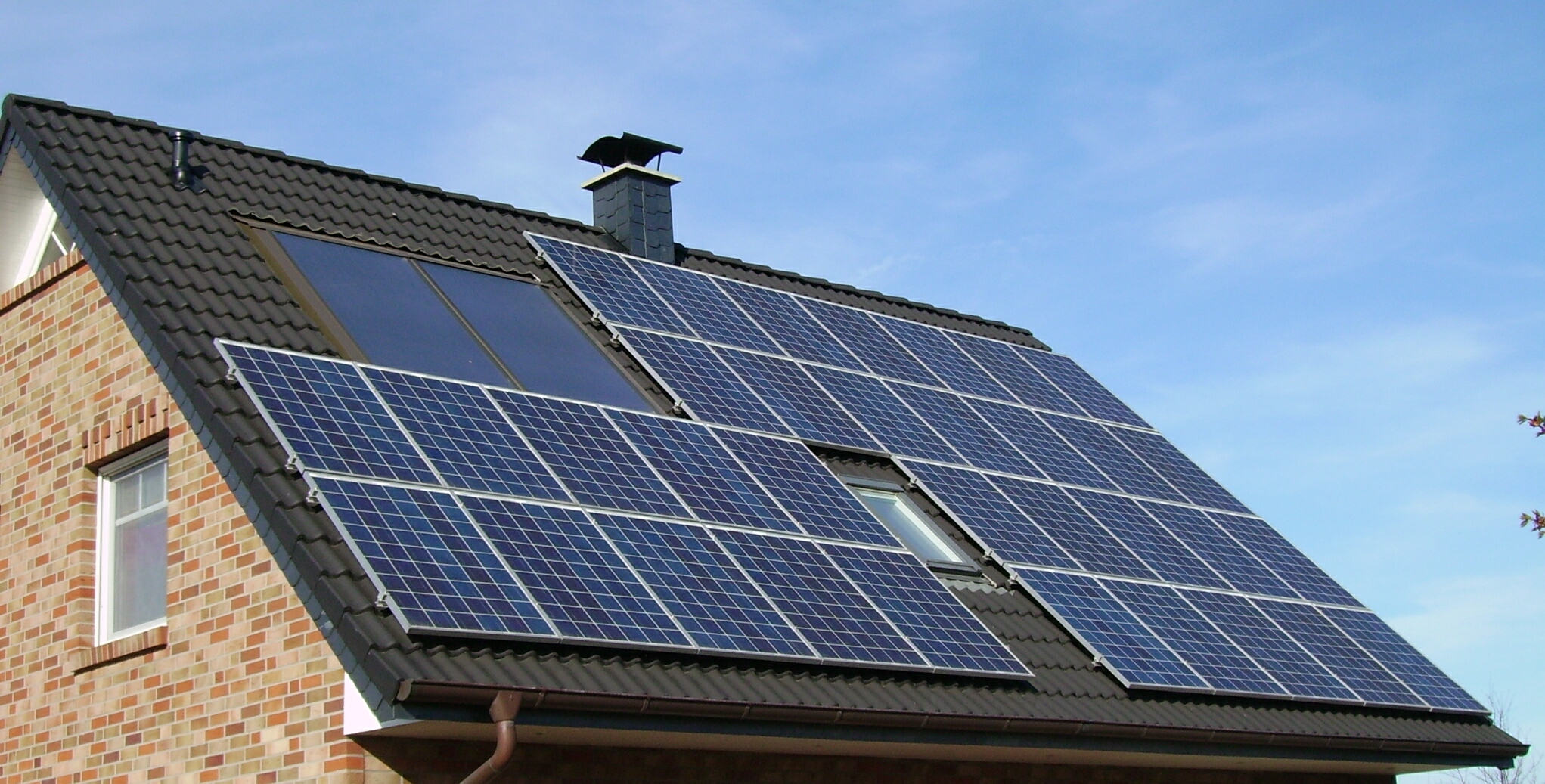
A counter-intuitive fact often mentioned by solar energy technicians: on clear, cold winter days, photovoltaic panels can operate with better electrical output than on hot summer days. This characteristic is inherent to the physics of silicon cells.
Standard photovoltaic cells (monocrystalline or polycrystalline silicon) have a negative temperature coefficient — their open-circuit voltage decreases as temperature rises. At 25°C (standard test condition), a module produces its rated power. For each additional degree Celsius, power decreases by approximately 0.3 to 0.5% depending on technology.
Numeric Example
A 400 W module at 25°C will see its power reduced to approximately 360–380 W on a summer day at 40°C ambient (cell temperature often 20–30°C above ambient). On a clear winter day at −10°C, the same cell could produce slightly more than its rated power, if sunshine is sufficient.
Hours of Sunshine by Season
The main factor limiting winter production in Canada is not cell output but available hours of sunshine. In December, Montreal receives fewer than 9 hours of daylight, a significant portion with the sun low on the horizon. In June, this exceeds 15 hours.
Consequently, even with better instantaneous output in cold weather, monthly production in December–January remains significantly lower than in May–July for the vast majority of Canadian locations.
| Period | Characteristics | Impact on Production |
|---|---|---|
| December–January | Short days, low sun, cold temperatures | Low production despite good cell output |
| February–March | Lengthening days, sun still low | Progressively increasing production |
| April–May | Good sunshine, cool temperatures | Often the most productive months |
| June–August | Longest days, high temperatures | High volume but slightly reduced cell output |
| September–October | Shortening days, mild temperatures | Good overall output |
| November | Increased cloud cover in most regions | Marked production decline |
Impact of Snow on Production
Snow cover represents the main cause of production loss specific to Canadian installations. A panel fully covered in snow produces no electricity. How long this situation persists depends on several factors:
- Panel tilt angle (a steep angle promotes sliding)
- Glass surface texture (anti-reflective treated glass may retain wet snow more)
- Wind exposure (strong wind can sweep off light snow)
- Freeze-thaw cycle (alternating day/night can naturally clear panels)
- Solar radiation itself (a thin layer of snow will melt quickly once the sun rises)
Studies conducted in Canadian contexts (notably in Saskatchewan and Alberta) suggest that annual losses due to snow typically represent between 1 and 8% of total annual production for a standard residential installation, depending on region and tilt.
Regional Specifics in Canada
Prairies (Alberta, Saskatchewan, Manitoba)
The Prairie region has among the most favourable sunshine profiles in Canada. Calgary in particular has a high number of sunny days per year, and winters there are often clear despite low temperatures. Winter production is relatively better than in provinces further east or west.
Ontario and Quebec
These provinces have more marked cloud cover, especially in November and December. Historical irradiation data show significant year-to-year variability, with some years offering notably higher autumn or winter sunshine than average.
Coastal British Columbia
The Pacific coast (Vancouver, Victoria) is distinguished by significant winter cloud cover but relatively bright summers and mild temperatures that avoid module overheating. For these regions, a slightly steeper tilt angle can capture more energy during partially cloudy days.
Seasonal Maintenance
Solar panels require little maintenance, but certain seasonal interventions are recommended:
- Spring: cleaning of winter deposits (dust, road salt residue carried by wind, bird droppings).
- Fall: visual inspection of connections and wiring before the first frosts.
- Winter: avoid manual snow removal with metal tools that could scratch the glass. Soft-edged scrapers are available specifically for this purpose.
Sizing with Seasonality in Mind
When sizing a residential photovoltaic system in Canada, production seasonality should be matched to the household's consumption profile. A home whose consumption is dominated by electric heating in winter — a common situation in regions where electric heat pumps are used — will show a significant gap between available solar production and needs.
In this case, storage (batteries) or grid connection with net metering can manage this gap. The economic feasibility of each solution depends on provincial electricity rates and incentive programs in effect.
Perspective on Canadian Public Data
Natural Resources Canada provides historical solar irradiation data by city, accessible through the Canadian Weather for Energy Calculations (CWEC) database and the RETScreen tool. This data allows realistic simulation of seasonal production before any investment decision.