Solar Panel Orientation and Tilt
Explanations on positioning, tilt angle and seasonal efficiency of residential photovoltaic installations in Canada.
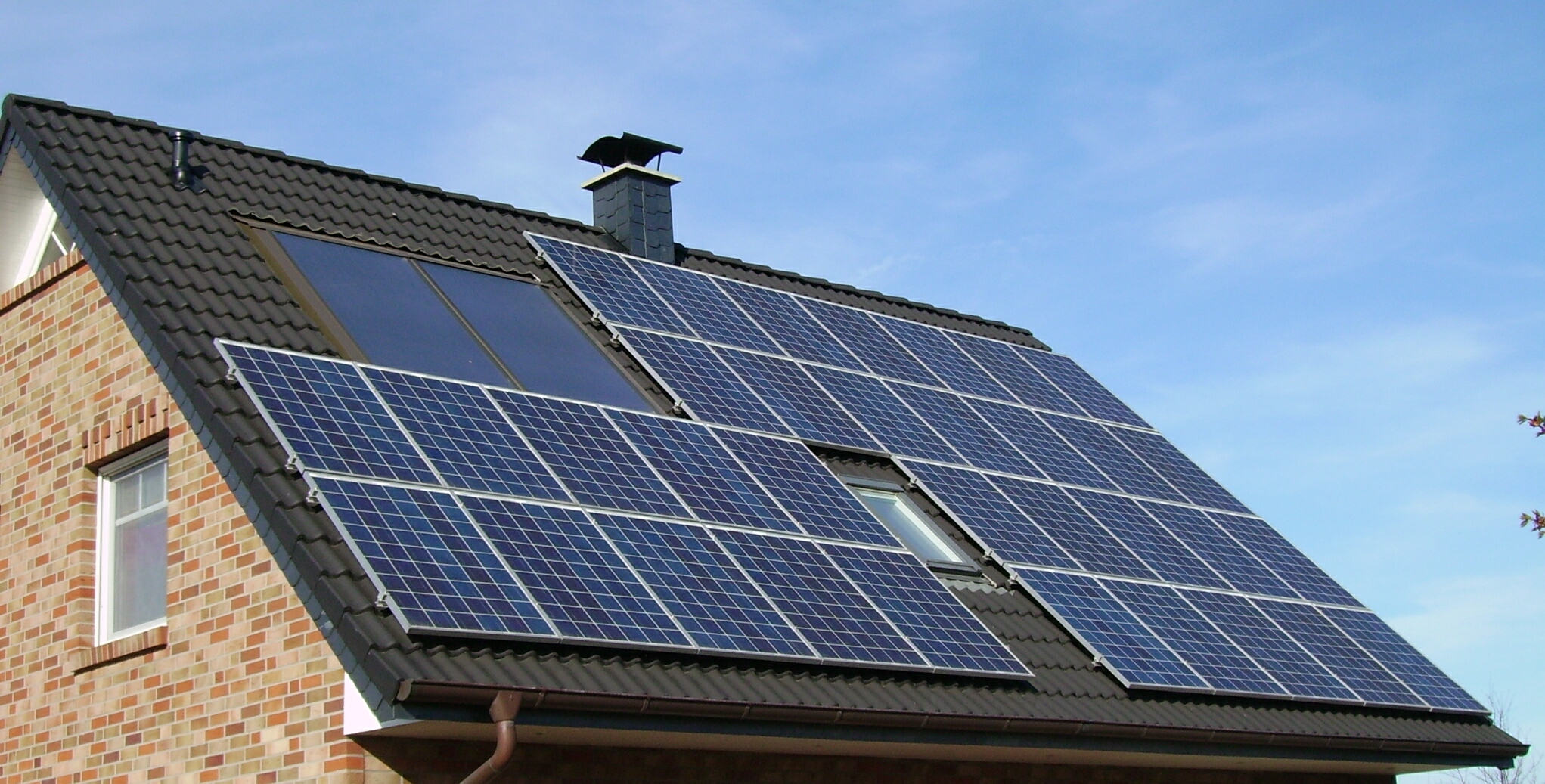
Key Factors for a Residential Installation
The efficiency of a residential photovoltaic system depends on several variables related to geography, local climate conditions and building characteristics.
Latitude and Solar Angle
In Canada, latitude varies considerably between Windsor (42°N) and Whitehorse (60°N). Each degree of latitude influences the optimal tilt angle of the panels. The general rule is that the ideal tilt falls within ±15° of the local latitude value.
Azimuth Orientation
In the Northern Hemisphere, panels oriented toward true south (azimuth 180°) capture more solar energy throughout the day. Deviations of ±30° toward the east or west typically result in a 5 to 10% loss in production.
Local Climate Conditions
Canadian provinces have highly variable hours of sunshine. Saskatchewan and Alberta receive among the highest solar irradiation, while coastal regions of British Columbia experience more cloud cover.
Snow Accumulation
In regions with heavy snowfall, a steeper tilt angle (45° or more) helps snow slide off naturally, reducing winter production losses without manual intervention.
Roof Structure
The existing roof pitch, building orientation and presence of obstructions (chimneys, trees, neighbouring buildings) directly influence installation choices. Adjustable mounting systems can partially compensate for architectural constraints.
Provincial Regulations
Each Canadian province has its own incentive programs and building codes. Ontario, Quebec and British Columbia have established specific guidelines for grid-connected residential solar installations.
Detailed Technical Guides
In-depth analyses of photovoltaic installation parameters in the Canadian context.

Solar Panel Tilt Angle in Canada
How to determine the optimal tilt angle based on your city's latitude, the seasons and the intended use of your photovoltaic system.
Read article →
South-Facing Solar Panel Orientation
Analysis of output losses linked to east, west or north orientation, and practical solutions when true south exposure is not available.
Read article →
Seasonal Efficiency of Residential Solar Installations
Seasonal production variations in Canada: short winter days, snow impact and thermal behaviour of modules in cold weather.
Read article →Indicative Values by Major Canadian Region
The following data are reference values commonly cited in technical literature. Actual conditions vary according to local microclimate.
| Region | Approximate Latitude | Indicative Tilt Angle | Annual Sunshine |
|---|---|---|---|
| Windsor, Ontario | 42°N | 32°–52° | Among the highest in Canada |
| Montreal, Quebec | 45°N | 35°–55° | Moderate to good |
| Calgary, Alberta | 51°N | 41°–61° | Very good (low cloud cover) |
| Saskatoon, Saskatchewan | 52°N | 42°–62° | Among the best in Canada |
| Vancouver, BC | 49°N | 39°–59° | Moderate (coastal cloud cover) |
| Halifax, NS | 45°N | 35°–55° | Moderate |
Have a question about your installation?
This form allows you to submit information requests. Responses are provided for general information only. For a technical assessment of your project, consult a certified installer in your province.